
 |
| Cats make good pets; peeves do not. |
It has come to my attention recently that I have a few pet peeves when it comes to some of the phraseology used in regards to rheumatoid disease. Of course, there is the obvious ever-present “a” word, and I am still hoping that more people will begin to shift away from “rheumatoid arthritis” and toward “rheumatoid disease“; but I have more.
Starting with this: managing your disease. Especially when it’s posed as a question: How are you doing at managing your rheumatoid disease? Why does this bother me so much? I think because the disease really has a mind of its own, and there’s only so much a patient can do to manage it. Sure, we can take our medications as prescribed, be informed about our disease, tell our doctors about any new symptoms, and try our best to live healthy lifestyles. We can move when our joints allow it, and rest our joints that are flaring. But what if the disease progresses anyways? Does that mean I am doing a poor job of managing it? I feel like this puts a lot of emphasis on the responsibility of the patient when so much is outside of the patient’s control.
 |
| RA is more like a roller coaster. You don’t have much control — just hang on for the ride! |
We all wish we had more control. I was actually thinking about this in the context of the media and how they like to portray rheumatoid arthritis. For some reason, they always want to say that you can manage your symptoms by eating more healthfully or eating a special diet, or by exercising more. They always are big on alternative treatments and things you can do to feel better without medicine. Why? I think it all goes back to us, as humans, wanting to have control. We want to believe that there are things we can do to manage the disease and that if we just do the right things, we’ll feel better. Unfortunately, it’s not that simple. And I, for one, do not appreciate insinuations that if I’m hurting it’s somehow my fault because I didn’t do all of the right things to manage my disease. I think we have a responsibility to work with our rheumatologists to find a treatment plan, to live healthful lives to the best of our abilities — and that may look different for each person (see also: My Take on RA Treatments & Decisions).
Here’s the other big one that bothers me: when patients fail drugs. You don’t always see it phrased this way, but it happens pretty regularly. Here’s a screen shot from the Blue Cross Blue Shield website, showing requirements for biologics:

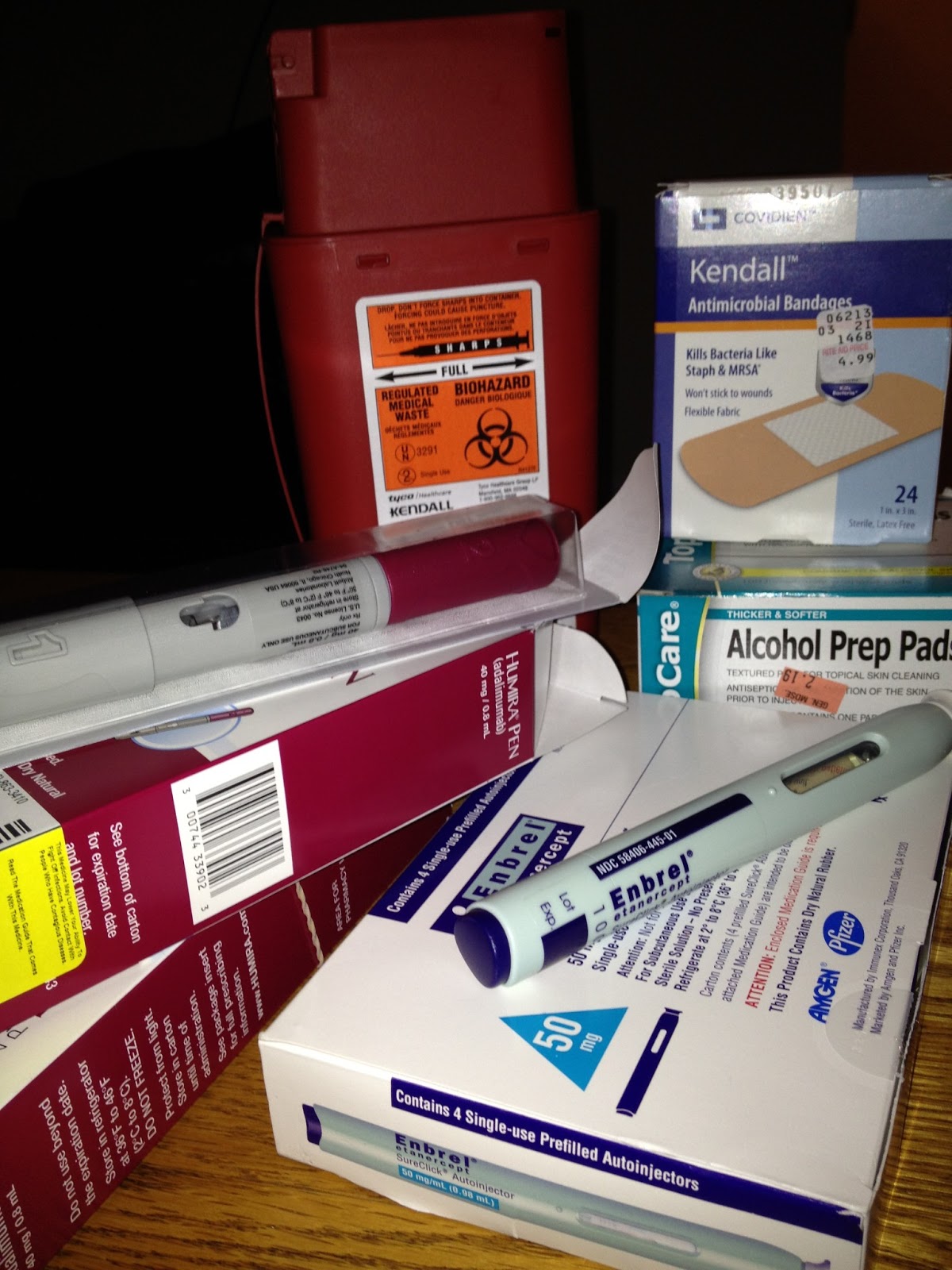 Again, this bothers me because it sounds as if it were placing the blame on the patient — as if the patient were a failure because the drug wasn’t effective on him. No, it’s the drug the failed — failed to provide adequate relief and failed to live up to its reputation as an effective treatment. Okay, so maybe the patient’s immune system failed to respond, but still. Perhaps its just semantics, but it peeves me nonetheless. I did not fail Enbrel. I loved Enbrel. I did everything I could to make it work for me. But, over time, Enbrel failed me. I guess my point is that we should be placing the emphasis on the gap in drug effectiveness. We’ve come a long way in terms of new treatments, but we have a long way yet to go.
How about you? Do you have any pet peeves when it comes to phraseology used in rheumatology or health care?
My other pet peeve: pain scales.



 At the Water's Edge
Leave a reply to Anonymous Cancel reply